Author:
Published Date:
Share:
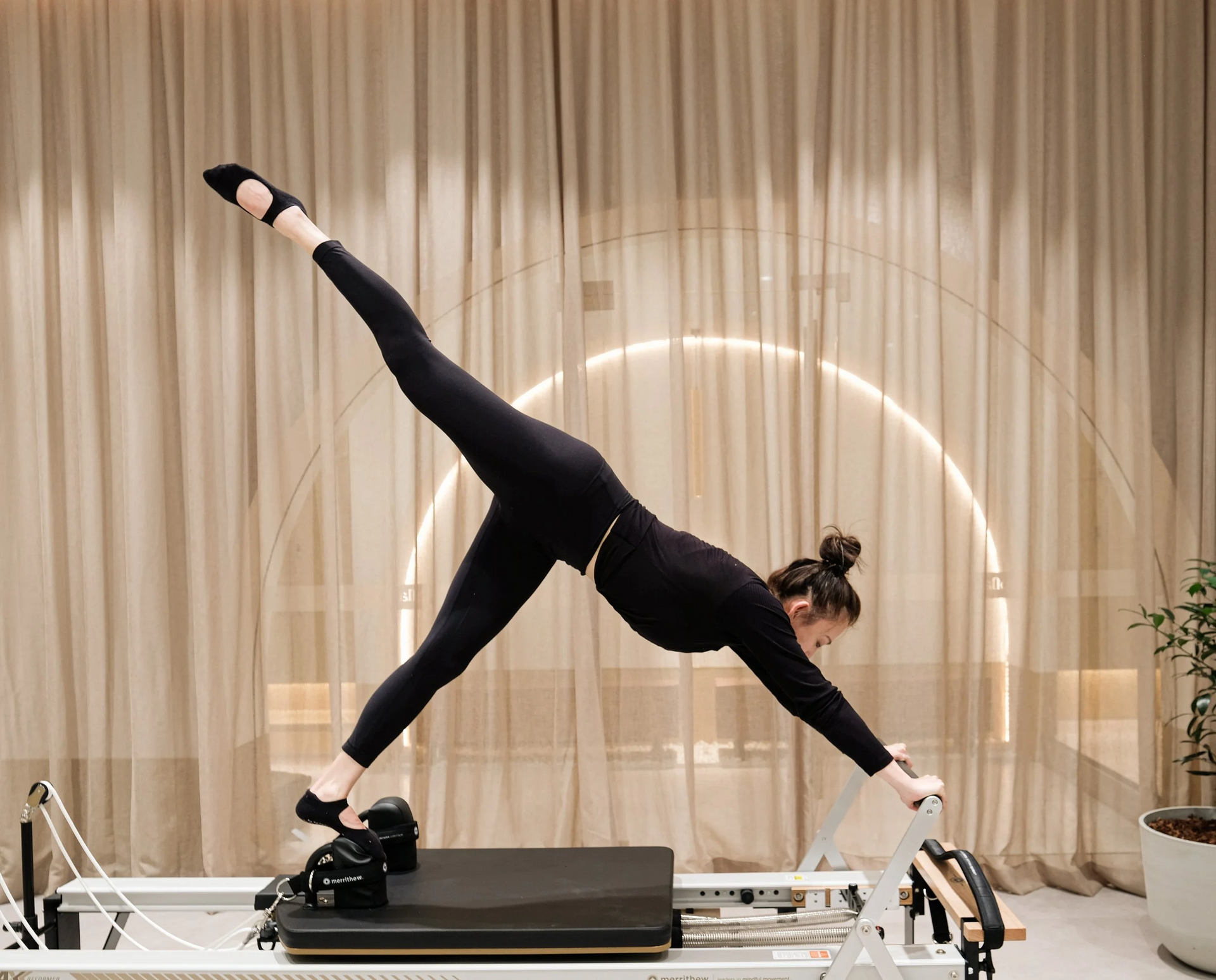
If you’re dealing with scoliosis, Pilates can be part of the plan, and there’s even evidence in adolescents for improved coronal balance and Cobb angle changes (Frontiers in Pediatrics scoliosis study). Just don’t treat it like a generic posture Pilates workout, it’s not.
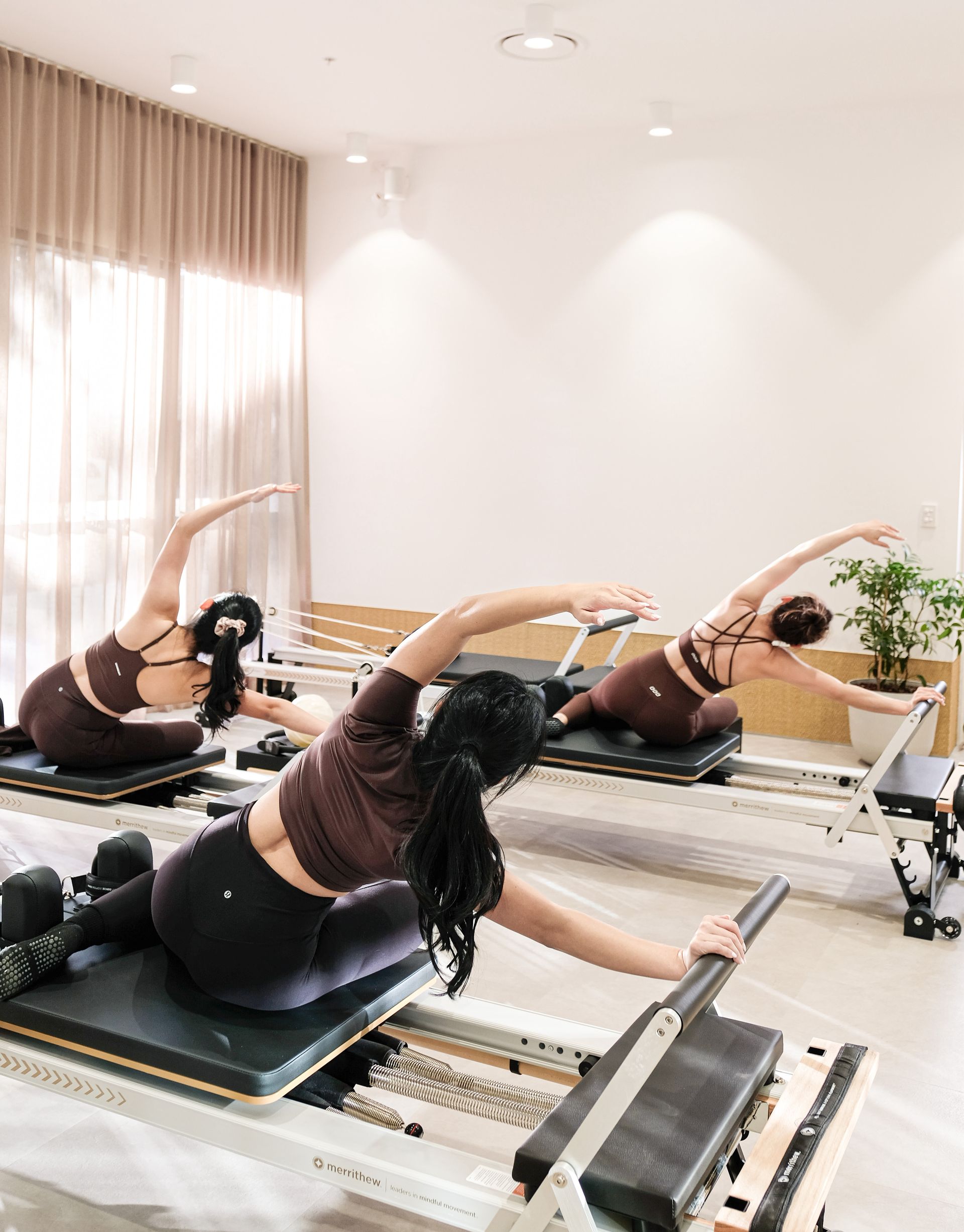
Additionally, Pilates enhances muscle tone and flexibility, particularly in areas like the legs, glutes, and shoulders, creating a balanced, lean physique. Regular practice strengthens the smaller stabilising muscles often overlooked in traditional workouts, which contributes to better balance, coordination, and joint support. This combination of core stability and full-body strength also improves endurance and mobility, allowing for greater physical resilience and ease of movement in daily life.
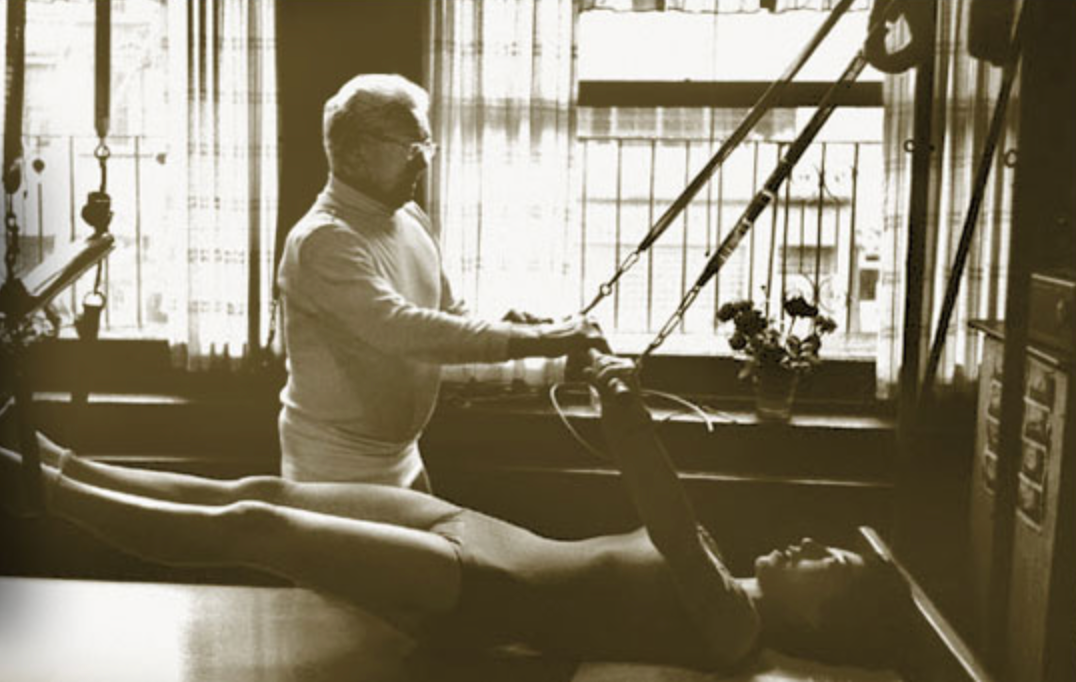
Pilates began as one man’s stubborn, engineered answer to a problem most modern bodies still have: weak posture, shallow breathing, and muscles that have forgotten how to cooperate. Joseph Hubertus Pilates (1883–1967) built his system in Europe, refined it during World War I internment, and turned it into a New York studio practice for dancers and injured bodies long before it became a “reformer class” on a glossy timetable.
If you’ve only ever met Pilates as a playlist, a candle, and some vague core cues, you’re missing most of the story. He called it
Contrology, a physical-culture project of springs, straps, breath, and an almost annoying conviction that your mind should run your body like a competent manager. The sections below walk the real chronology, with dates pinned to primary sources where they exist and a clear flag where a claim is legend rather than fact.
What is Contrology?
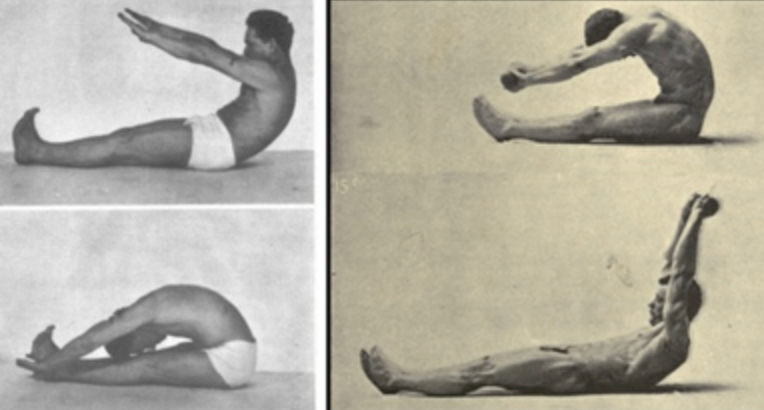
Before “Pilates” was a word you could put on a studio sign, Joe called his method Contrology. Not as branding. It was a thesis. The name compressed the whole argument into one word: this is the study of control, your mind deliberately running your body instead of letting it run on autopilot and slowly fall apart.
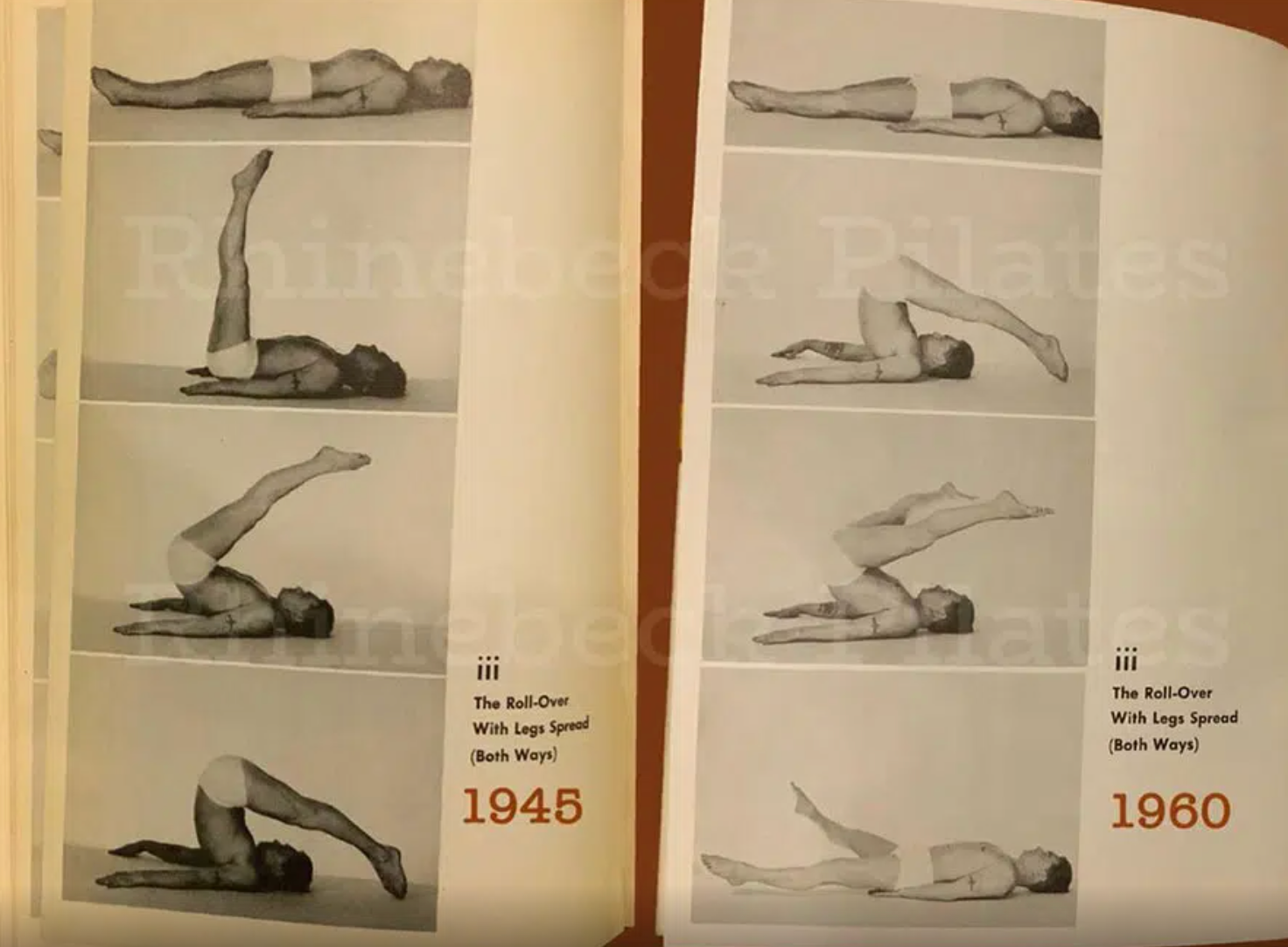
He set it out in his 1945 book Return to Life Through Contrology, which also gave us the famous 34 mat exercises. An earlier 1934 book, Your Health, laid down the philosophy first; it reads closer to a manifesto than a manual. Both are short, and both are blunt about his view that most people were never taught to use their own bodies properly.
“Control,” in his usage, doesn’t mean stiffness or white-knuckle tension. It means every movement is intentional: initiated on purpose, executed with precision, and owned from start to finish. No flailing, no momentum doing the work the muscles should be doing.
The six principles, and an honest caveat
Modern teacher trainings usually hand out a tidy list of “six principles.” They’re a useful summary, but here’s the part marketing tends to skip: Joseph Pilates never published them as a list. The framing was assembled after his death by Philip Friedman and Gail Eisen, students of his protégée Romana Kryzanowska, in their 1980 book The Pilates Method of Physical and Mental Conditioning. The principles are faithful to his intent; they just aren’t his own words.
- Concentration : full attention on each movement; a distracted rep is a wasted one.
- Control : the namesake, deliberate command over how the body moves.
- Centring : working from the trunk outward, the region later teachers nicknamed the “powerhouse.”
- Precision : exactness over volume; one clean repetition beats ten sloppy ones.
- Breath : full, active breathing as part of the movement, not an afterthought.
- Flow : movements linked with efficiency rather than jerked through in isolation.
One accuracy note even within that list: Friedman and Eisen’s original six used Coordination rather than Concentration. The Concentration version became the popular standard later, and different schools still reorder, rename, or expand the set (some add Alignment, Stamina, or Rhythm). So when a studio presents “the six” as scripture handed down from Joe’s own pen, that’s lineage marketing, not documented history.
The cleanest way to hold it: Pilates is the man, Contrology is the method, and the six principles are the operating manual his students wrote up after the fact.
Who was Joseph Pilates before Contrology?
Early health
Joe was born on 9 December 1883 in Mönchengladbach, then part of the Kingdom of Prussia. His father was a metalworker and prize-winning amateur gymnast; his mother practised as a naturopath. By most accounts he was a sickly child, asthma, rickets, and rheumatic fever recur across the sources, and he spent his youth rebuilding himself through gymnastics, boxing, diving, and bodybuilding. By around 14 he was reportedly fit enough to model for anatomical charts.
That origin explains the method’s tone. Not mystical, not “listen to your truth.” More like: build your abdominal strength, sort your spine out, and breathe like you mean it. (A common detail, that he lost sight in one eye as a child after a bully threw a stone, is widely repeated but poorly sourced, so treat it as lore rather than fact.)
Movement influences
People love to pit Pilates against yoga like rival football clubs. Historically his influences were broader: German physical culture and the wider Lebensreform movement, structured gymnastic traditions, boxing, martial arts, and ideas about control and efficiency drawn from both Western and Eastern practice. Even his approach to breathing has that mechanics-first flavour rather than anything devotional.
One quick ambiguity, because search engines and humans both get it wrong: Joseph Pilates has nothing to do with Pontius Pilate. Similar sound, different century, very different story.
Core beliefs
Joe didn’t leave a neat numbered creed, but the through-line in his writing, especially Your Health (1934), is consistent. He wanted a disciplined practice that made the whole body work as a unit. The recurring beliefs still echo in modern teacher training:
- Breath should be trained, not merely noticed, because shallow breathing is effectively a lifestyle bug.
- Posture is non-negotiable, because slumping is a slow-motion injury.
- Strength isn’t mirror-work; it’s conditioning for life, especially trunk and pelvic stability.
- Movement quality matters more than reps, because sloppy exercise just trains the nervous system to be sloppy.
That’s Contrology’s personality: strict, but not cruel.
How did Contrology take shape in Europe?
First method drafts
Contrology didn’t arrive fully formed in a single flash of insight, whatever clean internet timelines suggest. Fitness systems almost never do. Joe refined his work across contexts, bodies, injuries, and whatever equipment he could rig, experimenting with sequencing, spring resistance, and controlled movement long before today’s studios would call any of it “somatic.”
Breath and posture
Breathing in Pilates gets flattened into “inhale to prepare, exhale to exert,” which is fine as a beginner scaffold but historically it carried more weight. He pushed strong exhalation and rib expansion because they change posture and spinal mechanics. If the ribs don’t move, the spine compensates; if the spine compensates, the hips and shoulders get dragged into the mess. That chain reaction is what he was trying to interrupt.
So when people ask, “Is Pilates just abs?” the honest answer is no. It’s a strategy for organising the body under load. The abs are simply the part you notice first.
Training contexts
Before it was a boutique class, the work was training- and rehabilitation-adjacent. He wasn’t inventing burn culture; he was building a discipline that could serve conditioning, athleticism, and recovery. That’s why the apparatus matters to the origin story. Springs let you scale load. Straps let you guide form. The equipment is essentially coaching turned into hardware.
How did World War I shape the method?
Camp internment
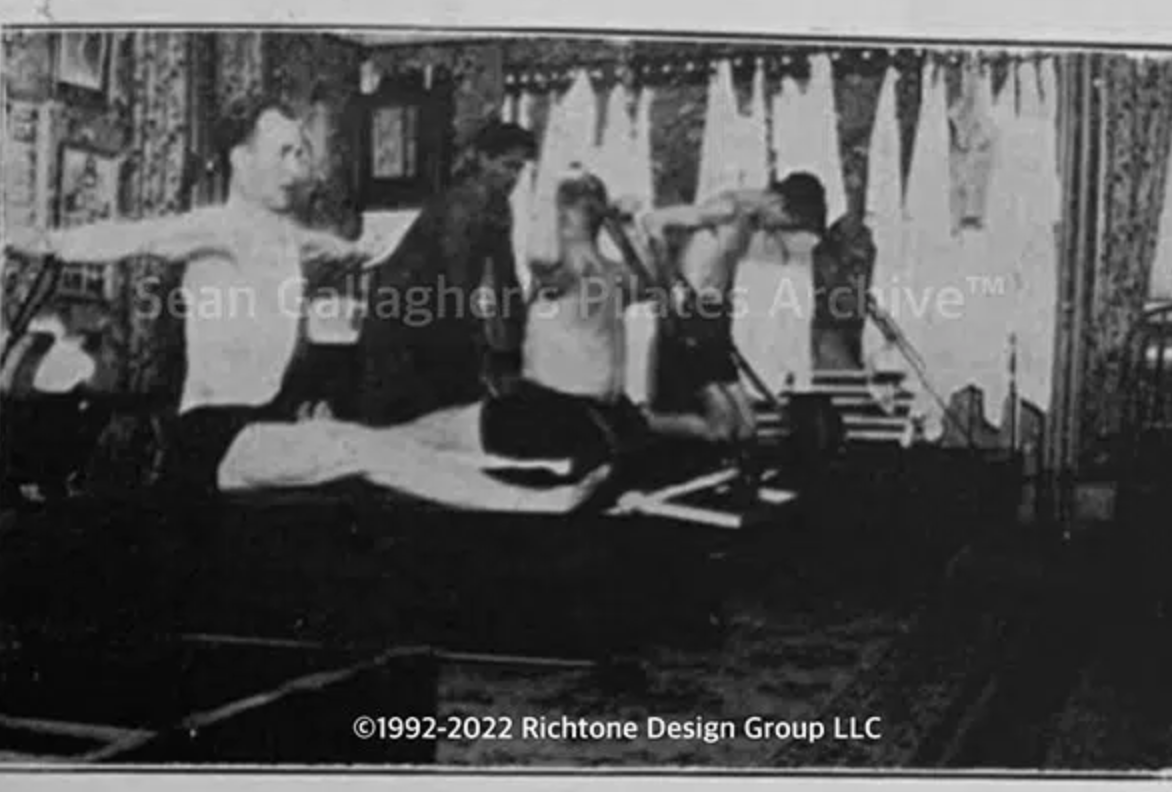
This is where the story stops being tidy history and starts reading like a survival tale. Living in England when war broke out, Joe was interned as a German “enemy alien.” Accounts place him at Lancaster Castle and then at the large Knockaloe camp on the Isle of Man during roughly 1915–1919. The internment context is one reason his system was associated with rehabilitation early on, and it’s also the source of the “use what you have” engineering streak, including the often-repeated story of rigging resistance from bed springs for bedridden internees.
A popular claim holds that none of his charges died in the 1918 influenza pandemic. It’s a great line and it’s repeated everywhere, but it rests on legend rather than verifiable records, worth enjoying, not citing as proof of anything.
Rehabilitation focus
This wasn’t rehabilitation in the modern clinical sense: there were no evidence-based protocols or outcome measures. It was practical problem-solving: bodies in rough shape, limited tools, an urgent need to keep people moving. The straight line from that period to modern clinical Pilates runs through three ideas:
- Use resistance to assist movement, not just to make it harder, so injured people can rebuild patterns safely.
- Train posture and breath as foundations, because pain and deconditioning love a collapsed ribcage.
- Keep the nervous system involved, because mindless reps don’t rebuild coordination.
That logic still shows up when
physiotherapists use reformers for controlled loading and proprioception.
Apparatus prototypes
The myth is that he “invented the reformer” in one heroic afternoon. The reality is ongoing tinkering, springs, pulleys, frames, with prototypes evolving into named machines. The earliest documentary anchor is the foundational Reformer patent (US 1,621,477), filed in 1924 and granted in the US in 1927, years before the famous mat book. Notably, that first patent used ropes and pulleys, not yet the spring system the apparatus is now known for. The equipment shaped the movement, and the movement then demanded particular equipment.
Why did New York make it famous?
Studio launch
New York wasn’t just a change of address; it was a market and a cultural amplifier. Joe emigrated to the United States around 1926, meeting his future wife Clara on the crossing, and the couple established a studio in Manhattan (at 939 Eighth Avenue, documented from the late 1920s) inside an ecosystem of dancers, choreographers, and performers who treated the body as a career asset.
And Clara. Clara Pilates is too often mentioned politely and then brushed past. She taught, she managed, and she translated Joe’s intensity into something clients could actually sustain. After his death in 1967 she helped keep the studio running, part of how the method survived into its next generation.
Dancer adoption
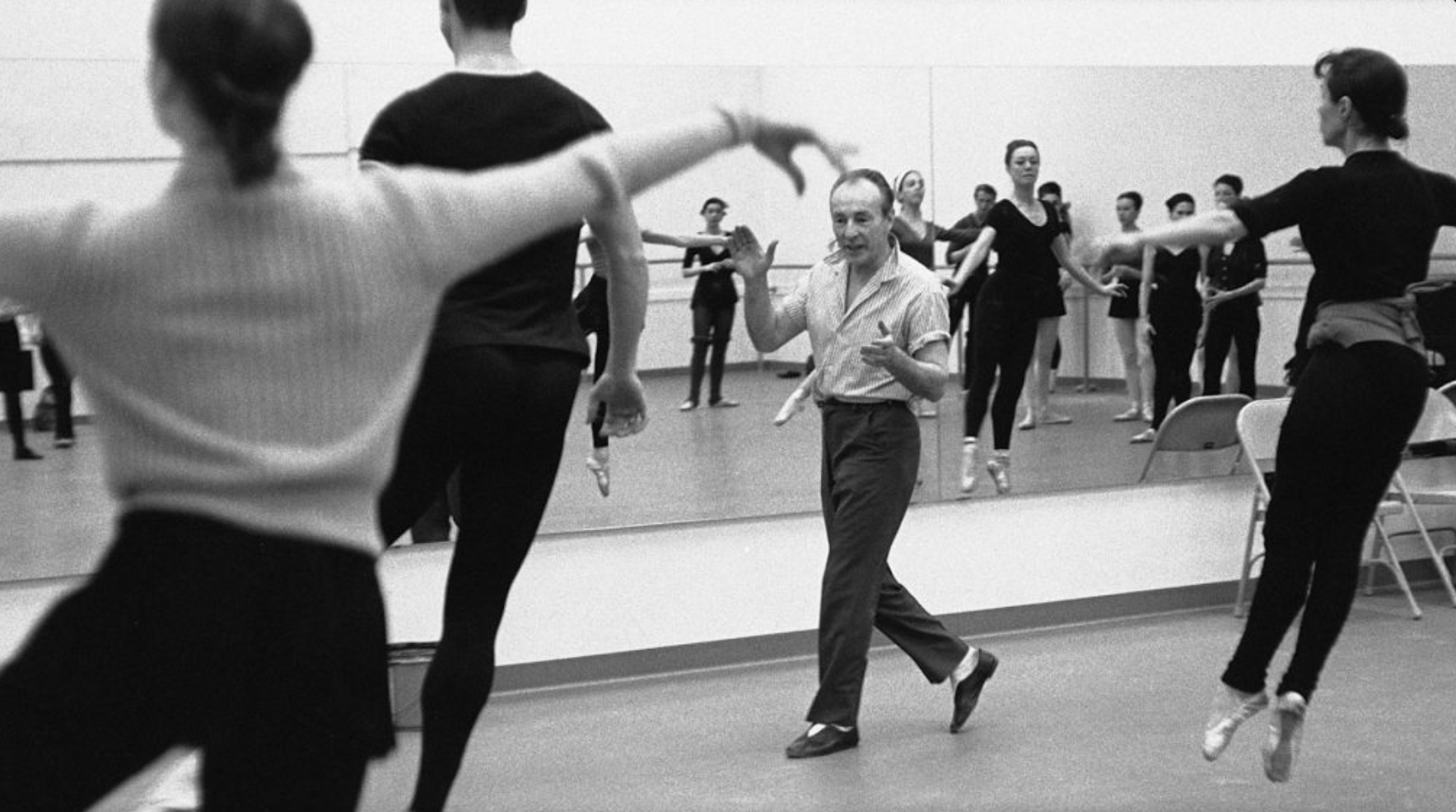
Dancers didn’t take up Pilates because it was trendy; they took it up because it worked when bodies were broken, overused, or out of alignment. Figures from the New York dance world, names like George Balanchine and Martha Graham appear in studio histories, sent injured colleagues to “Uncle Joe.” That dance connection is why Pilates is framed as both conditioning and rehabilitation. A dancer doesn’t care whether something is fun; they care whether it keeps them on stage.
Teacher apprentices
This is where the family tree starts. Joe taught; his students taught. Some stayed fiercely loyal to his sequence and apparatus order, others adapted. These first-generation students, the “Elders”, became the transmission line, and their names still carry weight because lineage shapes programming, cueing, even the feel of a class. Romana Kryzanowska is the one most often cited, but she’s far from the only important node.
How did the reformer and apparatus evolve?
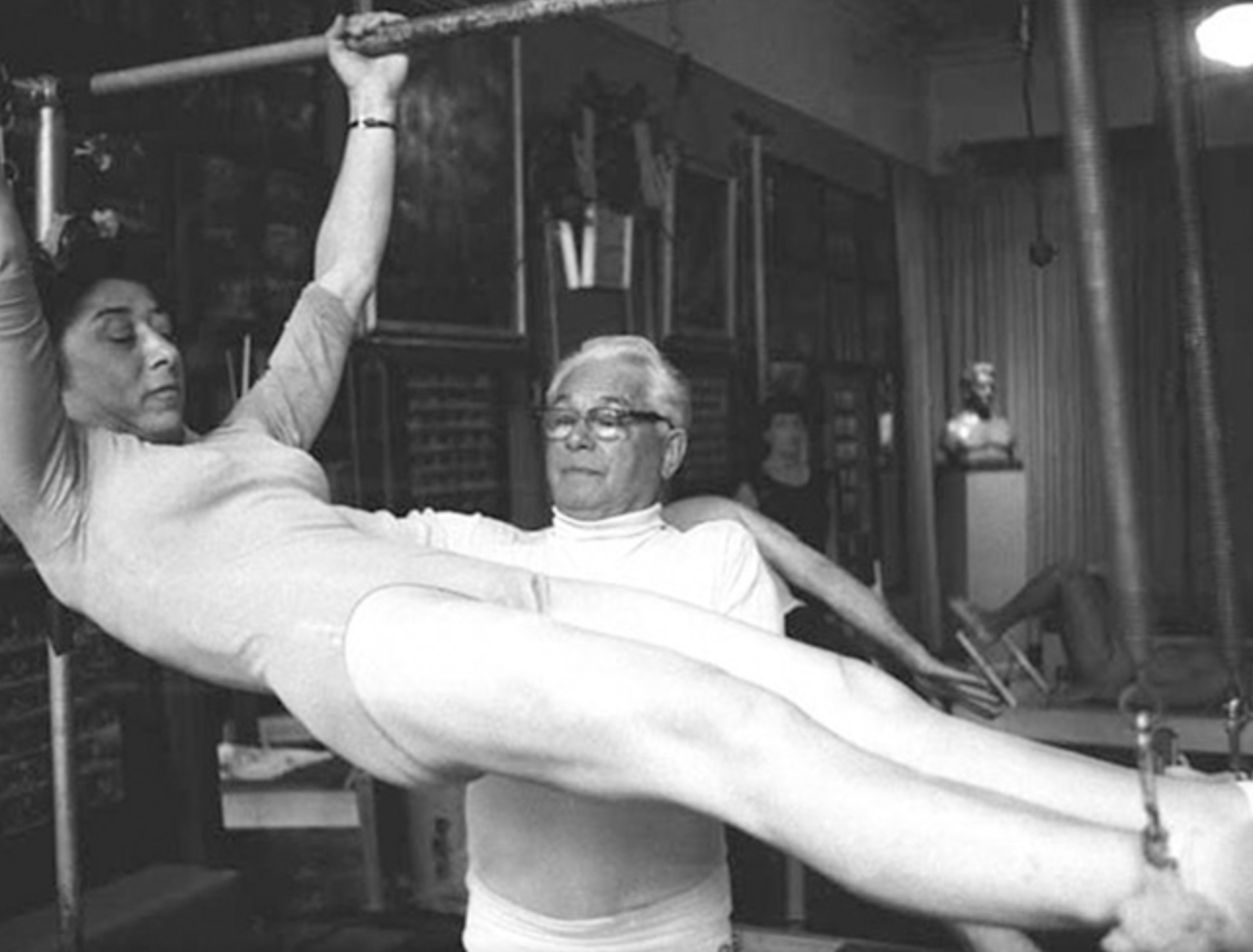
Reformer lineage
The reformer is essentially a moving carriage on rails with spring resistance, and it’s the machine most people now associate with the method. Historically it was one piece of a larger ecosystem of apparatus, not the whole show. Over time, manufacturers refined dimensions, spring options, and safety features, and studios built programming around it because it scales across bodies quickly. It’s also photogenic, which doesn’t hurt; the modern “reformer class” is as much a product of studio economics as of Joe’s original design instincts.
Cadillac and chair
The Cadillac (often called the Trap Table) and the Wunda Chair are older-school beasts. They look intimidating because they are, and they’re excellent for guided strength, shoulder mechanics, spinal articulation, and teaching engagement without letting you cheat. This is where “apparatus-heavy conditioning system” stops being marketing and becomes an accurate description. The machines were built to make movement honest.
Mat work shift
Mat work was always part of the method; Joe published the 34 mat exercises in
Return to Life Through Contrology (1945). Mat became the gateway for the masses because it’s cheap, portable, and easy to timetable, but that shift also narrowed public understanding. In a mat-only context, people start thinking Pilates equals floor abs. On the full system, it reads more like a movement workshop with progressive loading.
What explains modern classes and disputes?
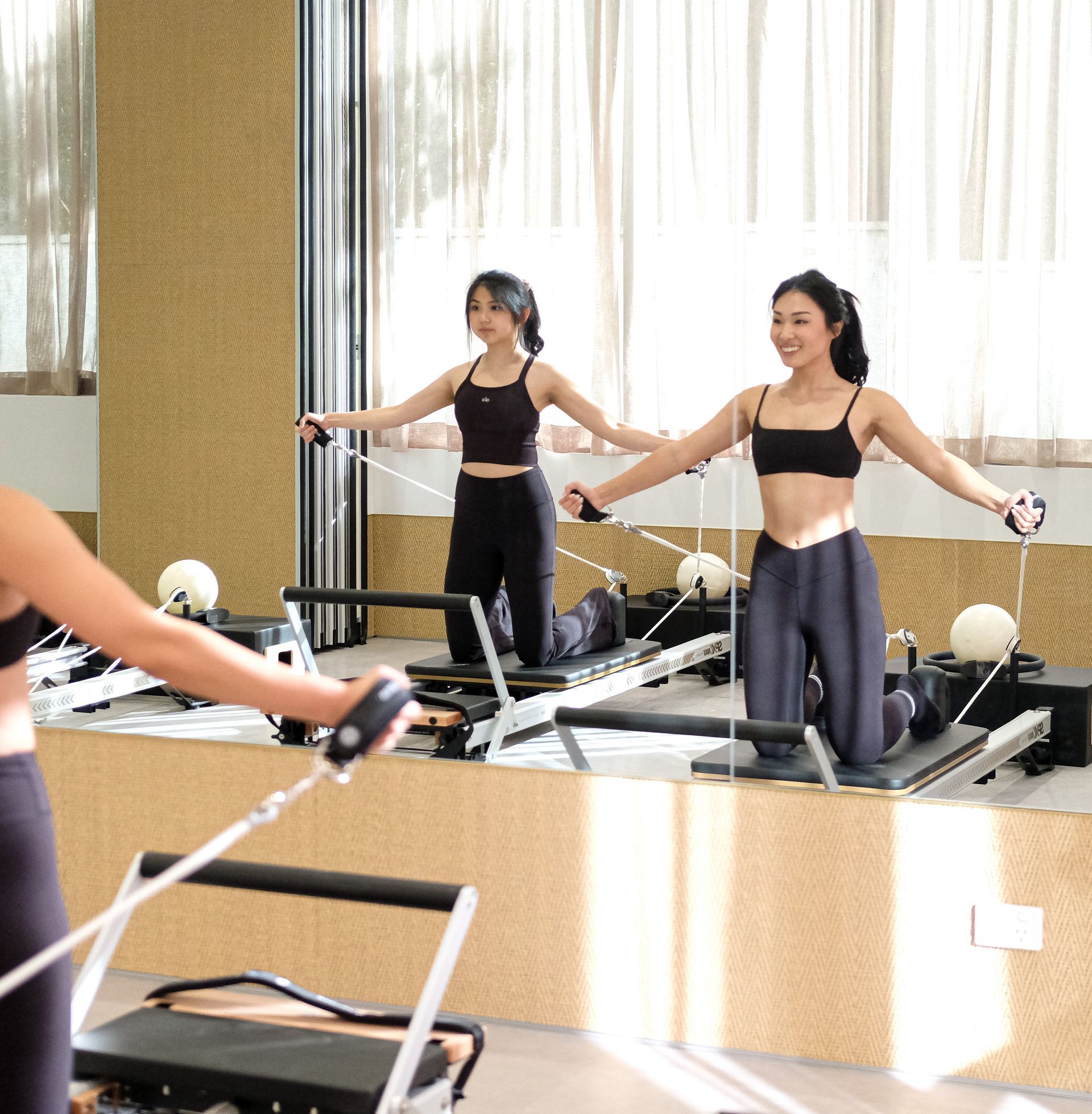
Classical vs contemporary
The split is real and not just internet drama. Classical camps stay close to Joe’s original order, repertoire, and teaching style. Contemporary camps borrow the DNA and layer in modern biomechanics, physiotherapy cues, props, and updated programming. Both can be excellent; both can be poor, depending on the instructor.
| Topic | Classical Pilates | Contemporary Pilates |
|---|---|---|
| Programming | Set sequences, traditional order | Adapted sequencing, often goal-based |
| Cueing | Lineage-style, minimalist corrections | Biomechanics-heavy, many modifications |
| Equipment | Traditional dimensions and springs | Often modern builds and add-ons |
| Best fit | People who like structure and tradition | People with specific needs or rehab goals |
The 2000 trademark ruling
Many people still assume “Pilates” is a trademarked brand, like a franchise. It isn’t. After a four-year dispute, on 19 October 2000 a US federal court in Manhattan, Judge Miriam Cedarbaum presiding in
Gallagher v. Balanced Body, ruled the term
generic, like “yoga” or “aerobics,” and ordered the existing trademarks cancelled. That decision freed studios, trainings, and equipment makers worldwide to use the word, and it’s a major reason Pilates surged into the mainstream through the late 1990s and 2000s.
Clinical vs fitness use
Pilates now lives in two worlds. In one, it’s mainstream fitness: group classes, playlists, vibes. In the other, it’s used as a clinical tool under professional supervision, often called “clinical Pilates” in Australia and parts of the UK and tied to physiotherapy settings.
On evidence: the research base has improved but it isn’t magic. Foundational work such as the Wells, Kolt, and Bialocerkowski systematic review on defining Pilates is still widely cited, precisely because studies often mean different things by the word. Clinical-outcomes research exists too, but quality varies, and that is exactly why it matters whether your class is taught like rehabilitation or like a sweat session. If you’re injured, a fitness class is not automatically rehab.
FAQ
Is Pilates basically yoga?
No. Yoga is a broad family of traditions with philosophical and spiritual lineages and widely varying schools. Pilates is a Western physical-culture method built by Joseph Pilates, centred on controlled movement, breath mechanics, and progressive loading through mat and apparatus. Enjoy both; they’re still different species.
Does Pilates have spiritual or religious roots?
Not in the way that question usually implies. Concentration and breathwork aren’t religion. Joe borrowed loosely from Eastern disciplines the way many early-20th-century physical-culture figures did, but the method’s spine is mechanical: posture, lungs, strength, coordination.
Is Pilates effective for strength and rehab?
Yes, when it’s programmed and taught well. It can build core strength, hip stability, shoulder control, and whole-body conditioning without hammering the joints. Rehab claims depend on the condition and the instructor’s scope of practice.
Why do reformer classes feel so different to mat?
The equipment changes the feedback. Springs assist and resist; the carriage forces control. Mat demands you generate your own resistance and stability. Same philosophy, different expression.
Can anyone teach Pilates now that it’s not trademarked?
Anyone can use the word, which doesn’t guarantee competence.
Look for reputable instructor education, mentorship hours, and, if you’re dealing with pain, someone who works alongside physiotherapists or is one.
Conclusion
The history of Pilates is less “one genius invents a perfect workout” and more “one stubborn inventor keeps refining a system until it outlives him.” War, internment, New York dance culture, Clara’s steady hand, the shift from apparatus workshops to mass mat classes, the 2000 trademark ruling, and the modern split into classical, contemporary, clinical, and fitness flavours, that arc is why Pilates has lasted.
It’s also why it’s worth being a little picky. The method is old enough to have roots and alive enough to have arguments. That’s usually a good sign.
.
Table of Content
Recent Posts